
Location Scouts for Photography and Video Production – The Hidden Advantage Behind Every Successful Shoot

When decision makers talk about photography and video production, they usually focus on cameras, talent, and messaging. But one factor quietly dictates whether your visuals look “fine” or truly unforgettable: location.

The right location does more than provide a backdrop. It reinforces your brand, supports your story, and makes your production day smoother, safer, and far more efficient. That’s where a professional location scout becomes an essential part of your marketing and production strategy—not a nice-to-have.

As a videographer, photographer and producer at St Louis Locations, I’ve seen strong concepts fall flat because they were forced into the wrong environment, and I’ve seen modest budgets look premium because the location did half the storytelling work for us. Let’s break down why location scouting matters and how to use it strategically for your next project.

Why Location Scouting Is a Strategic Business Decision

From a marketing and communications standpoint, location scouting is risk management and brand management rolled into one:

It protects your investment by preventing costly surprises on shoot day.

It aligns visual style with your brand, messaging, and audience expectations.

It creates production efficiencies that directly impact time, budget, and team morale.

In other words, the location scout is not “someone who drives around looking for pretty places.” A good scout approaches each project like a production manager, brand strategist, and problem-solver.

What a Professional Location Scout Actually Does

A structured location scouting process typically includes:

1. Translating Your Brief into Location Requirements

We start by breaking your brief into practical environmental needs:

Are we conveying innovation, heritage, hospitality, high-tech, or industrial strength?

Do we need a controlled studio look or a vibrant, real-world environment?

Will we be capturing stills, video, drone, or all three?

How many people, vehicles, or pieces of equipment need to move through the space?

From there, we outline specific location criteria: size, look, acoustics, accessibility, power, safety, and any special requirements like drone flights, heavy equipment, or after-hours access.

2. Building a Curated Shortlist

Instead of sending you random addresses, a professional scout builds a curated shortlist of locations that:

Fit the storyboard and shot list

Match your brand’s visual language

Work logistically for crew, talent, and gear

Fit within your budget and timeline

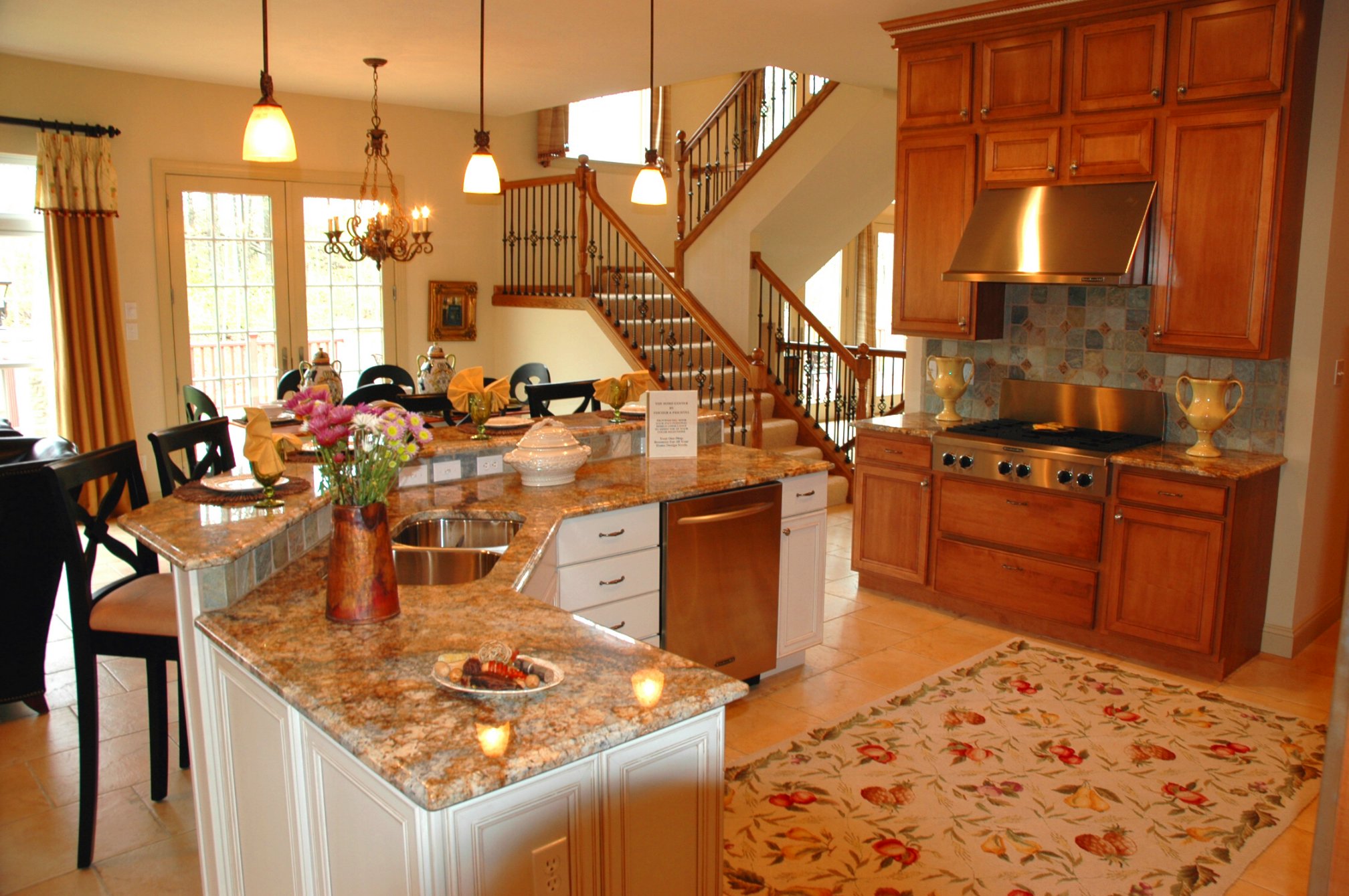
Each option is documented with reference photos, notes on pros and cons, sun path considerations, sound issues, and any limitations we need to manage.
3. Technical and Logistical Assessment

On a scout day, we’re looking at more than aesthetics:

Lighting: Direction and quality of natural light, controllability, available shade, ability to rig artificial lights.

Sound: HVAC noise, traffic, nearby construction, echo in large rooms, flight paths, neighboring businesses.

Power & Infrastructure: Circuits and outlets, load capacity, access to distribution, internet, and backup options.

Access & Staging: Parking for crew, safe load-in routes, space for hair/makeup, wardrobe, equipment staging, and client holding.

Safety: Trip hazards, overhead obstructions, environmental factors, and any special safety requirements for drones or elevated work.

These practical details can make the difference between a calm, predictable production day and a stressful scramble.

4. Permits, Permissions, and Compliance

A seasoned location scout knows who to call and what’s required:

Property permissions and location agreements

City permits and regulations

Insurance requirements and certificates

Drone flight restrictions and indoor/outdoor safety rules

For corporate, industrial, healthcare, and institutional environments, this experience is critical. You don’t want to discover on shoot day that a space is off-limits, or drones aren’t allowed, or security has an entirely different protocol.

How Location Choices Shape Photography vs. Video

Photography and video share similar location needs, but there are important differences.

For Photography

Background structure: Clean lines, minimal distractions, and strong depth can elevate headshots, executive portraits, and lifestyle imagery.

Speed and flexibility: For high-volume sessions (e.g., company-wide headshots), we need a logical flow—check-in, shooting area, waiting area, and makeup touch-ups.

Texture and visual interest: Architectural details, industrial textures, or contemporary interiors can reinforce your brand identity.

For Video Production

Sound is king: A visually perfect space can be unusable if the noise floor is high or unpredictable. HVAC systems, echo, and traffic hum are all landmines.

Camera movement: Hallways, stairs, exterior approaches, and open interiors all influence whether we can execute smooth tracking shots, gimbal work, or multi-camera setups.

Continuity: For interviews and b-roll, we need a location that supports consistent looks over time, not just a single angle that works for one shot.

For Drone and Aerial Work

Line-of-sight and safety: Clear paths, ceiling heights (for indoor drone flights), and environmental constraints are evaluated well before flight time.

Regulatory and site-specific approvals: Even when drones fly indoors, we must coordinate with property owners, safety officers, and facility teams.

Visual impact: Rooftops, exterior facades, corporate campuses, and construction or industrial sites benefit tremendously from the right vantage points and flight paths.

The Advantage of a Location Scout with Production Experience

Not all location scouts are producers, and not all producers are location scouts. When your scout is also an experienced videographer and photographer, you get a powerful advantage:

They see the space the way the camera will see it.

They anticipate how lighting, crew, and talent will behave in the environment.

They can quickly judge if a location will support your shot list within your schedule.

This means fewer compromises on shoot day, fewer “we’ll have to fix that in post” situations, and a smoother experience for your executives, staff, and customers appearing on camera.

Planning for Content Repurposing at the Location Level

Smart marketing teams don’t just plan one video or one set of photos—they plan a content library. Location scouting should support that strategy.

Here’s how a well-chosen location multiplies your assets:

Multiple looks in one place: A single building might offer a modern lobby, executive office, industrial floor, rooftop, and training room—all visually distinct enough to use across campaigns.

Evergreen usage: Neutral yet on-brand environments let you repurpose footage and images across web, social, recruiting, investor presentations, trade-show loops, and internal communications.

Modular storytelling: When locations are chosen with flexibility in mind, you can build short clips, vertical formats, and graphics overlays without returning to shoot more material immediately.

A strong location plan is a quiet but powerful force behind your ability to repurpose photography and video branding long after the initial shoot.

What Decision Makers Should Expect from a Location Scout Partner

If you’re leading marketing, communications, or creative for your organization, you should expect your location scout and production partner to:

Ask Brand-Level Questions
Not just “what day and time?” but “who is this for?” and “how should your organization feel on screen?”

Provide Options with Clear Trade-Offs
Each location on your shortlist should come with a realistic view of its strengths, limitations, and cost implications.

Think in Terms of Efficiency
Can we schedule headshots, b-roll, and interviews in one place? Can we pre-light and move talent through in a predictable rhythm? Can we integrate drone work without disrupting operations?

Protect Your People and Property
Safety, permits, insurance, and respect for your workspace and workflows should be baked into the process—not handled as afterthoughts.

Support Technical Excellence
The scout should collaborate with camera, lighting, sound, and drone operators to ensure the location actually supports the creative approach you’ve approved.

Why St Louis Locations Is Uniquely Positioned to Handle Your Next Shoot

For over four decades, St Louis Locations has combined location scouting with full-scale photography and video production for businesses, marketing firms, and creative agencies throughout the St. Louis area. Because we handle both the creative and the logistics, we’re able to align the right locations with the right message—then execute with precision.

St Louis Locations is a full-service professional commercial photography and video production company with the right equipment and creative crew experience for successful image acquisition. We offer full-service studio and location video and photography, along with editing, post-production and licensed drone pilots. St Louis Locations can customize your productions for diverse types of media requirements, and repurposing your photography and video branding to gain more traction is one of our core specialties.

Our team is well-versed in all file types, media styles, and accompanying software, and we use the latest in Artificial Intelligence across all our media services, from planning and enhancement to efficient post-production. Our private studio lighting and visual setup is ideal for small productions and interview scenes, yet our studio is large enough to incorporate props and set pieces to fully build out your environment.

We support every aspect of your production—from designing a private, custom interview studio to supplying professional sound and camera operators, as well as providing the right equipment—ensuring your next video or photography production is seamless and successful. And when your project calls for it, we can even fly our specialized drones indoors, adding dynamic motion and unique perspectives in a controlled environment.

As a full-service video and photography production corporation since 1982, St Louis Locations has worked with many businesses, marketing firms, and creative agencies in the St. Louis area for their marketing photography and video needs. If you’re planning a project and want locations that truly work for your brand, your schedule, and your budget, partnering with an experienced location-focused production team like St Louis Locations is one of the smartest decisions you can make.

Mike Haller
4501 Mattis Road
St. Louis, MO 63128
stlouislocations@gmail.com
Studio 314-892-1233
Cell 314-913-5626

What to Look for When Scouting Locations for Your Marketing Video: A Producer’s Field Guide

As seasoned visual storytellers at St Louis Locations, we know that crafting a compelling marketing video goes far beyond writing a strong script or setting up the right camera angles. A powerful visual story depends heavily on the environment in which it unfolds. Location scouting isn’t about simply finding a visually appealing backdrop—it’s a strategic process that directly influences production efficiency, cost-effectiveness, and the overall quality of your final deliverable.

For decision-makers in photography, marketing, and video production, understanding what to look for when selecting locations is critical. The right scouting decisions elevate your production value while minimizing risks, delays, and unexpected costs. Below, we outline the key factors to consider when choosing the perfect location for your next marketing video.

1. Story Alignment and Brand Consistency

Every location you select should authentically reflect your brand identity and reinforce your video’s narrative. Ask yourself:

Does the aesthetic align with your brand’s tone, values, and audience expectations?

Does the environment naturally support the message you want to deliver?

Would this location still “read” your brand even on mute?

For example, a modern, glass-paneled office space may be ideal for a tech startup showcasing innovation, while a heritage brand might need a more classic or rustic setting to match its values. Always let your story dictate your location—not the other way around.

2. Practical Considerations: Logistics and Permitting

Beyond looks, a location’s practicality can make or break your production. A stunning space that’s impossible to work in will derail timelines and increase costs. Key considerations include:

Accessibility: Is there easy entry for your crew, talent, and equipment? Are there elevators, loading docks, or parking for production trucks?

Power Availability: Are there reliable circuits for lighting, cameras, and sound equipment? Lack of power planning leads to costly downtime.

Sound Control: Is the environment quiet enough for clean dialogue? Check for HVAC hum, street noise, construction, or nearby PA systems.

Space Planning: Does the layout accommodate cameras, lighting rigs, sound gear, and staging areas without feeling cramped?

Permits and Permissions: Some locations require municipal permits, COIs (Certificates of Insurance), or special filming approvals. Securing these in advance prevents unexpected shutdowns.

3. Visual Dynamics and Compositional Opportunities

A skilled videographer sees beyond the obvious backdrop. When scouting, evaluate:

Natural Light: Assess quality, direction, and consistency of light throughout your scheduled shoot. Consider whether you need diffusion, blackout options, or supplemental key lighting.

Depth and Separation: Look for areas that create visual interest without crowding your subject against the background.

Angles and Perspectives: Explore verticals, diagonals, elevated viewpoints, and movement corridors for dynamic storytelling.

Flexibility: Prioritize locations that allow quick scene changes or can be reconfigured for multiple looks without expensive resets.

4. Sound: The Silent Deal-Breaker

Even stunning visuals fail without clean audio. Always test for:

Ambient Noise: Evaluate traffic, HVAC systems, crowd chatter, and mechanical hums.

Reverb Control: Rooms with hard floors and glass walls often require additional sound blankets or portable dampening panels.

Isolation Zones: Quiet rooms for talent prep, voiceovers, and wardrobe staging improve efficiency and comfort.

5. Safety, Security, and Compliance

Your crew, talent, and equipment must be protected:

On-Site Hazards: Watch for uneven surfaces, narrow walkways, or blocked emergency exits.

Security: Confirm building access controls, secure storage for gear, and appropriate site escorts if needed.

Insurance: Most professional locations require a COI and a signed location agreement—plan ahead to avoid delays.

6. Cost-Effectiveness and Value

Locations can consume a significant portion of your budget. Factor in:

Rental fees and security deposits

Required permits and insurance

Extra utility costs for lighting or HVAC

After-hours access fees

Balance aesthetics with production efficiency. Sometimes a slightly less “perfect” location saves thousands without compromising brand impact.

7. Indoor & Outdoor Drone Opportunities

Drone cinematography elevates production value, but requires careful planning:

Indoor Flying: Small, cinewhoop-style drones capture dynamic office reveals and seamless transitions between rooms.

Permissions: Always secure property-owner consent and coordinate safe airspace within the location.

Continuity: Match drone color profiles and shutter speeds with ground-based footage for seamless edits.

8. Tech Scout Checklist (Don’t Arrive Without This)

Before finalizing a location, always conduct a tech scout:

Test light levels and color temperature with a meter or test clip.

Record short audio samples to catch ambient noise issues.

Map power circuits and label high-draw outlets.

Take photos of load-in paths, staging zones, and ceiling rigging options.

Verify access times, parking logistics, and security protocols.

9. Red Flags and Quick Fixes

Mixed lighting temperatures → Use gels or balance key lights for consistency.

Reflections on glass or polished tables → Adjust angles, use polarizers, or add diffusion.

No visual depth → Shoot diagonally into corners, add practical lights, or create separation with edge lighting.

Overcrowded set → Move staging zones off-camera and repurpose adjoining rooms.

Why Businesses Choose St Louis Locations

At St Louis Locations, we understand that successful productions depend on seamless integration of creative vision and logistical expertise. Since 1982, we’ve partnered with businesses, marketing firms, and creative agencies throughout the St. Louis area, helping them plan, scout, and execute marketing videos that deliver measurable impact.

We are a full-service professional commercial photography and video production company, providing:

Studio & Location Services: Full-service video and photography, editing, post-production, and licensed drone pilots (including specialized indoor drone operations).

Custom Productions: Tailored solutions for diverse media deliverables—broadcast, social, corporate, and trade shows.

Content Repurposing: Maximize ROI by adapting your photography and video branding across multiple platforms.

Technical Expertise: Proficiency in all file types, formats, and editing workflows using industry-leading software and AI-powered enhancements.

Studio Advantages: A private studio with professional lighting setups, modular staging, and space for props and set builds.

Complete Production Support: From custom interview studio setups to sound engineering, camera operation, and equipment sourcing, we manage every detail.

By combining strategic location scouting with cutting-edge production capabilities, we ensure your marketing video looks exceptional, performs effectively, and is delivered on time and on budget.

Haller Concepts, Inc.
Mike Haller
4501 Mattis Road
St. Louis, MO 63128
stlouislocations@gmail.com
Cell 314-913-5626

Beyond the Usual: Creative Ideas for Finding Unique Shooting Locations for Drone and Ground Video Crews

In the ever-evolving landscape of commercial video production, a compelling story is no longer enough—where that story is told visually makes all the difference. Whether you’re capturing a high-energy product showcase, a cinematic brand story, or an emotionally resonant testimonial, the location sets the tone before a single word is spoken.

For decision-makers overseeing photography, marketing, or video production services, securing visually dynamic, logistically sound, and legally permitted locations can be one of the most challenging aspects of pre-production. That’s where creative location scouting strategies—paired with drone and ground videography—can give your project a distinct visual identity.

Below, we dive into creative, tactical, and sometimes underutilized approaches to finding shooting locations that elevate your brand’s visual storytelling.

1. Scout Outside the Algorithm
Google Maps, Instagram, and TikTok are popular first stops for scouting ideas—but that also means those locations are overused. Instead, dig deeper:

Use historical societies or archives for hidden gems like heritage buildings or preserved properties.

Check local film office databases, which often include a wide array of pre-approved sites for commercial filming.

Contact municipalities or business parks to gain access to underutilized but photogenic rooftops, parking structures, or industrial corridors.

2. Leverage Community Access Points
Libraries, churches, schools, and recreational centers often have surprisingly cinematic architecture and wide-open interiors. With the right framing and lighting, these spots can stand in for more expensive set builds.

Many of these locations are drone-friendly with proper coordination. Reach out in advance for written permissions and coordinate safe, compliant indoor drone flight paths where possible.

3. Reimagine the Familiar
Sometimes, the most ordinary places can deliver extraordinary visuals—if approached creatively.

A warehouse becomes an edgy interview setup with the right backlight and haze.

A pedestrian bridge turns into a dynamic backdrop with low-angle drone shots.

Empty office spaces can be styled to match a wide range of corporate aesthetics with strategic lighting and props.

The key lies in recognizing a location’s potential through the lens—not its curb appeal.

4. Pair Locations with Story Themes
Don’t just scout locations that look good—scout with intent. Align visual environments with narrative emotion. For example:

A concrete rooftop with skyline views enhances themes of innovation and elevation.

Lush parklands or conservatories pair well with eco-conscious branding.

Abandoned buildings or alleyways reinforce grit, endurance, or transformation.

This thematic alignment enhances message retention and improves brand association through subconscious visual cues.

5. Unlock Verticality with Drone Access
Drones can transform flat compositions into immersive 3D canvases. Look for:

Tiered architecture, like parking garages or multi-level decks.

Reflective surfaces, such as fountains, ponds, or glass façades, which add visual interest to flyovers.

Moving elements, like trains, boats, or traffic, that can create dynamic pacing in motion footage.

Creative drone applications allow us to see familiar locations from angles that feel fresh, cinematic, and elevated.

6. Prioritize Logistics and Legalities
Even the most breathtaking location loses its luster if it’s logistically unworkable or unpermitted. Always:

Assess sound interference, electric access, and crew parking.

Confirm UAS (unmanned aircraft systems) flight clearance in urban or controlled zones.

Acquire location agreements, and when necessary, insurance riders for private properties.

Working with an experienced location scout means these considerations are proactively addressed, saving time and risk during production.

7. Let AI Enhance Location Mockups
We now use Artificial Intelligence tools to create visual previews, mockups, and simulated lighting scenarios before even stepping on site. This allows clients to envision creative setups in context and sign off on location plans with confidence.

Trusted Scouting for Stunning Results
At St Louis Location Scout, we specialize in identifying, securing, and transforming unique locations into powerful production environments. Since 1982, we’ve served businesses, marketing firms, and creative agencies throughout the St. Louis region with full-service video and photography solutions.

Whether it’s a rooftop skyline shoot, a drone-powered flythrough of an industrial site, or an indoor interview setup that feels elevated and intimate, we bring the right equipment, people, and vision to every project. Our services include:

Licensed drone pilots for dynamic aerial footage—indoors and out

Private studio setups and custom interview environments

Full post-production and media repurposing for maximum value

AI-enhanced previsualization for client confidence

Logistical coordination, permits, and location agreements

Expert camera and sound crews ready to adapt to any site

With an extensive location library and years of field-tested experience, St Louis Location Scout helps you tell your story in the perfect setting—with zero compromise on creativity or compliance.

Let us find the location that turns your next production from good to unforgettable.

Ready to scout smarter? Let’s start the conversation.

Mike Haller
4501 Mattis Road
St. Louis, MO 63128
stlouislocations@gmail.com
Studio 314-892-1233
Cell 314-913-5626

What to Look for When Scouting Video Locations: A Guide for Decision Makers

When it comes to creating high-quality video content, the location plays a pivotal role in setting the tone and enhancing the storytelling process. Whether you’re producing a commercial, an interview, or a promotional video, choosing the right location can make or break the production. As an experienced videographer or photographer, you understand the importance of every detail in the production process, and location scouting is no exception.

In this article, we’ll explore the essential factors to consider when scouting video locations, and how St Louis Locations, a full-service professional commercial photography and video production company, can ensure that your next production is a success.

1. Space and Layout
The size and layout of the location directly impact your ability to capture the shots you need. For instance, when filming interviews, you need to consider the space for the crew, equipment, and lighting setups. A spacious location with room for movement is essential for flexibility, particularly if you need to adjust camera angles or incorporate props into the scene.

At St Louis Locations, we offer a private studio that is perfectly suited for small productions and interview scenes. Our studio is large enough to accommodate various setups, including props, backdrops, and special lighting arrangements. The flexibility of our space ensures that we can create the ideal environment for your production needs.

2. Lighting Considerations
Good lighting is crucial to any video production, and the natural light of a location can either enhance or hinder the visual quality of your footage. When scouting locations, always assess how much natural light enters the space and how you can complement it with artificial lighting.

At St Louis Locations, we offer custom lighting setups in our private studio that cater to different styles of shoots. Whether you need soft, diffused lighting for a corporate video or more dramatic lighting for a creative shoot, our studio can accommodate your needs with precision. Our expert crew is experienced in making the best use of both natural and artificial light to achieve the desired effect.

3. Acoustic Properties
Sound quality is just as important as visual quality in video production. When filming interviews or any content with spoken words, you want to ensure that the location has minimal background noise. Locations with echo or unwanted reverberation can cause post-production headaches and detract from the overall quality of the video.

Our private studio at St Louis Locations is designed to provide optimal acoustics for small productions. We ensure that our environment is soundproofed to eliminate distractions, and we have a professional sound team to assist with any specific audio requirements you might have.

4. Ambiance and Aesthetics
The ambiance of a location directly influences the mood of your video. Whether you’re shooting in a corporate office, an industrial warehouse, or a cozy café, the location must align with the brand’s messaging and the tone of the video. Always consider the background elements and how they contribute to the overall aesthetic.

St Louis Locations excels in repurposing photography and video branding, ensuring that the locations we select complement the visual identity of your brand. From clean, minimalistic setups to more elaborate themed environments, we can tailor the atmosphere to fit your project’s needs. Our team is highly skilled in transforming ordinary spaces into visually compelling settings that enhance the overall production.

5. Accessibility and Logistics
Location accessibility is another important consideration when scouting for video production. Is the location easy to access for your crew, equipment, and talent? Are there power outlets, and does the location have internet connectivity if needed? Ensure that you consider parking, permits, and potential restrictions that might complicate the shoot.

St Louis Locations offers full-service production support, including location permits, access to our vast library of suitable locations, and assistance with all logistical needs. Our experienced location scouts handle everything from acquiring permits to coordinating security and police services, ensuring that your production runs smoothly from start to finish.

6. Indoor Drone Accessibility
A growing trend in modern video production is the use of drones for aerial shots, even indoors. Drones can add a cinematic flair to your video by capturing sweeping, dynamic shots that would otherwise be impossible to obtain. However, not all locations are suitable for drone flights, and you need a space with the right size and clearance.

At St Louis Locations, we have specialized drones that can fly indoors, allowing us to capture stunning aerial shots within confined spaces. This ability opens up creative possibilities for your production that were once limited to outdoor shoots.

7. Budget and Time Constraints
Lastly, the cost and timing of the location are crucial factors in the decision-making process. A well-scouted location can help keep your budget in check by reducing the need for expensive post-production fixes. It can also help save time during the shoot by providing the right environment for the task at hand.

At St Louis Locations, we understand the importance of balancing quality and budget. Our experienced team provides cost-effective solutions without compromising on the creativity and quality of your production. From pre-production to final edits, we ensure that every aspect of your video production is handled professionally and efficiently.

Why Choose St Louis Locations?
When it comes to successful video and photography productions, experience matters. St Louis Locations is a full-service professional commercial photography and video production company with extensive experience in working with businesses, marketing firms, and agencies across the St. Louis area since 1982. We are equipped with the right tools and a creative crew to handle all aspects of your production needs.

We specialize in full-service studio and location video and photography, as well as editing, post-production, and licensed drone pilots. Our studio’s private lighting and visual setup make it perfect for small productions and interviews, while our team is ready to assist with everything from custom interview setups to sound and camera operations. Additionally, we are well-versed in various file types, media styles, and software, ensuring that your production is captured and delivered in the highest quality.

Whether you need a location for a corporate shoot, a drone for aerial footage, or a customized production to elevate your brand’s image, St Louis Locations has the experience and equipment to make it happen. Let us help you achieve your vision and make your next video production a success.
stlouislocations@gmail.com
Studio 314-892-1233
Cell 314-913-5626

Live Streaming Like a Pro: Best Practices for Video Production Success

As a seasoned location scout, video producer, and photographer at St. Louis Location Scout, I’ve had the privilege of witnessing the transformative impact of live streaming on business endeavors. In this article, we’ll delve into the best practices for achieving video production success when it comes to live streaming.

Planning and Pre Production

Behind every successful live stream lies a well-thought-out plan. Start by defining your objectives for the live stream. Are you looking to educate, entertain, or inform your audience? Understanding your goals will guide the entire production process.

Once your goals are set, create a detailed script or outline for the live stream. This will ensure a smooth and coherent flow of content, reducing the chances of awkward pauses or confusion. Collaborate with your team to assign roles and responsibilities, including hosts, presenters, and technical support.


Choosing the Right Location

As experts in location scouting, we understand the pivotal role a setting plays in conveying your message. The right location can enhance the ambiance and captivate your audience. Consider factors such as the backdrop, lighting conditions, and acoustics. Whether you’re streaming from a picturesque outdoor setting, a dynamic urban environment, or a controlled indoor space, the location should align with your brand and content.

Camera and Equipment Setup

Investing in quality camera equipment is a non-negotiable aspect of professional live streaming. High-definition cameras, tripods, and stabilizers contribute to a polished and visually appealing presentation. Position your camera at eye level to establish a personal connection with your viewers. Test your equipment well in advance to troubleshoot any technical issues.

Lighting and Audio Considerations

Lighting can make or break your live stream’s visual quality. Natural light is an excellent option, but if indoors, opt for soft and diffused lighting sources to avoid harsh shadows. Additionally, prioritize audio clarity by using external microphones and minimizing background noise. A poor audio experience can lead to viewer disengagement, so invest in professional audio equipment.

Engaging Content Creation

Compelling content is at the heart of a successful live stream. Incorporate a mix of storytelling, visuals, and data to maintain audience interest. Integrate interactive elements such as polls, Q&A sessions, and live chats to encourage participation. A well-crafted narrative will keep viewers hooked from start to finish.

Interactive Audience Engagement

Engagement is a two-way street. Leverage the live nature of the stream to interact with your audience in real-time. Respond to comments, answer questions, and acknowledge viewers by name. This fosters a sense of community and builds a loyal following. Remember, the more engaged your audience is, the longer they’ll stay tuned in.

Post-Production and Optimization

Once the live stream concludes, the work is far from over. Save the recording for future use and consider repurposing it into bite-sized clips for social media or promotional purposes. Review viewer analytics to gain insights into viewer demographics, engagement rates, and drop-off points. Use this data to refine your future live streams and tailor your content to your audience’s preferences.

St. Louis Location Scout: Your Full-Service Production Partner

At St. Louis Location Scout, we take pride in being your trusted partner for all your business location production needs. With a solid foundation in location scouting, video production, and photography, we are equipped to handle the entire spectrum of multimedia creations. Based in St. Louis, we specialize in curating stunning visual backdrops and ensuring seamless video production experiences.

As professional video producers, St. Louis Location Scout has scouted and helped produce hundreds of video projects for all types of large and small businesses and organizations in the St. Louis region. Our expertise spans across industries, enabling us to deliver tailored solutions that align with your brand identity and communication objectives.

Whether you’re planning a live stream, a commercial shoot, or a corporate video, our team at St. Louis Location Scout is dedicated to turning your vision into reality. We bring a keen eye for detail, technical proficiency, and creative flair to every project we undertake. Let us be your partner in bringing your ideas to life and achieving video production success.

To embark on a journey of compelling visuals and captivating storytelling, get in touch with us today. Together, we’ll elevate your video production endeavors to new heights.

Cell 314-913-5626  stlouislocations@gmail.com

The Pros and Cons of Hiring a Freelance vs. In-House Video Production Crew.


In today’s digital age, video has become an essential tool for businesses to effectively communicate their message and engage with their target audience. Whether it’s for marketing campaigns, brand promotions, or internal communications, high-quality videos can make a significant impact on your business’s success. When it comes to video production, one of the key decisions you’ll need to make is whether to hire a freelance video production crew or establish an in-house team. Both options have their advantages and disadvantages, and in this article, we’ll explore them in depth to help you make an informed decision.

Freelance Video Production Crew

Pros

  1. Cost-effectiveness: One of the most appealing aspects of hiring a freelance video production crew is the potential cost savings. Freelancers typically have lower overhead costs compared to an in-house team, allowing them to offer competitive rates for their services. This can be particularly beneficial for small businesses or organizations with limited budgets.
  2. Flexibility: Freelancers provide flexibility in terms of availability and scheduling. They can be hired on a project-by-project basis, allowing you to scale up or down as needed. This flexibility is particularly advantageous when you have sporadic or seasonal video production requirements.
  3. Specialized expertise: Freelancers often specialize in specific areas of video production, such as cinematography, editing, or motion graphics. Hiring freelancers with specialized skills can ensure that you have access to the best talent for each aspect of your video production process. This can result in higher-quality videos that effectively convey your message and resonate with your target audience.
  4. Fresh perspective: Freelancers bring a fresh perspective to your video projects. As outsiders, they can offer a new creative angle or innovative ideas that you may not have considered. Their diverse experiences working with different clients can bring a unique touch to your videos and help set you apart from your competitors.

Cons

  1. Limited availability: Freelancers often have multiple clients and projects, which means their availability may be limited or subject to change. If you have tight deadlines or require immediate revisions, coordinating with multiple freelancers can be challenging and time-consuming.
  2. Dependency on individual freelancers: When you hire freelancers, you’re relying on individual professionals rather than a cohesive team. This can be risky if a freelancer becomes unavailable or their work doesn’t meet your expectations. It’s important to thoroughly vet and communicate with freelancers to minimize potential issues.
  3. Lack of long-term commitment: Freelancers typically work on a project basis, which means they may not have a long-term commitment to your business. This lack of continuity can be a disadvantage if you’re looking for ongoing video production support or if you want to establish a consistent brand identity through your videos.

In-House Video Production Crew

Pros

  1. Dedicated team: Establishing an in-house video production crew gives you the advantage of having a dedicated team solely focused on your video production needs. They become intimately familiar with your brand, objectives, and vision, which can lead to better consistency and alignment in your videos.
  2. Immediate availability: With an in-house team, you have the advantage of immediate availability. You can directly communicate with your team, make real-time revisions, and ensure that your videos are produced within your desired timeline. This can be especially beneficial for time-sensitive projects or last-minute changes.
  3. Cohesive workflow: In-house teams work together regularly, fostering a cohesive workflow and efficient collaboration. They develop an understanding of each other’s strengths and weaknesses, allowing them to seamlessly integrate their skills and expertise to deliver high-quality videos consistently.
  4. Long-term investment: Building an in-house video production team allows you to make a long-term investment in your video production capabilities. By nurturing and developing your team’s skills, you create a valuable asset within your organization. They can adapt to your evolving video needs, maintain brand consistency, and contribute to your overall business growth.

Cons

  1. Higher costs: Hiring an in-house video production crew involves significant upfront and ongoing costs. You need to consider salaries, benefits, equipment, software, and training expenses. For small or medium-sized businesses with limited budgets, these costs can be prohibitive.
  2. Limited expertise: An in-house team may have limitations in terms of specialized expertise. While they may be skilled in certain areas of video production, they may lack the diversity of skills and perspectives that freelancers bring. This can limit your ability to explore new creative avenues or tackle complex projects that require specific expertise.
  3. Resource constraints: Building and maintaining an in-house team requires allocating resources, including time, effort, and management oversight. This can divert your attention from your core business activities and add additional responsibilities to your plate. It’s essential to assess whether you have the necessary resources to effectively manage and support an in-house team.

St. Louis Locations: Your Full-Service Video Production Partner

At St. Louis Locations, we understand the significance of video production in business branding and marketing. Our experienced team of video producers, commercial photographers, and location scouts are here to support your unique requirements and help you achieve your business goals.

Full-Service Video Production

Our full-service video production capabilities encompass every stage of the production process. From concept development and scriptwriting to filming, editing, and post-production, we have the expertise to bring your vision to life. Our team leverages the latest equipment and techniques to ensure the highest quality videos that captivate your audience and convey your brand’s message effectively.

Commercial Photography

In addition to video production, we offer professional commercial photography services. Whether you need product photography, corporate headshots, or lifestyle imagery for your marketing campaigns, our skilled photographers have an eye for capturing compelling visuals that showcase your brand in the best light.

Location Scouting

Finding the perfect location for your video or photoshoot is crucial for creating an immersive and visually appealing experience. Our experienced location scouts have an in-depth knowledge of St. Louis and can help you discover unique and captivating settings that align with your creative vision. We handle all the logistics, permits, and negotiations, ensuring a smooth and efficient process.

Business Branding and Employee Engagement

At St. Louis Locations, we recognize that your videos and visual content play a vital role in establishing and reinforcing your business branding. We work closely with you to understand your brand values, target audience, and marketing objectives. Our team integrates your brand elements seamlessly into the videos and photographs we create, ensuring a consistent and impactful representation of your brand.

Moreover, we believe in the power of employee engagement through video production. Whether it’s showcasing your company culture, conducting interviews with team members, or documenting special events, we can help you create videos that inspire and motivate your employees, fostering a sense of belonging and pride within your organization.

In conclusion, choosing between a freelance video production crew and an in-house team requires careful consideration of your specific needs, budget, and long-term objectives. Each option offers its own set of advantages and disadvantages. At St. Louis Locations, we provide full-service video production, commercial photography, and location scouting to cater to your unique requirements. Our experienced team is dedicated to delivering high-quality videos and visuals that elevate your brand and engage your target audience. Contact us today to discuss how we can help you achieve your business branding needs through our comprehensive services.

314-913-5626

stlouislocations@gmail.com